
Explore Spiritism, the afterlife and the deeper meaning of life
A calm and serious guide to life after death, reincarnation, mediumship, moral progress and the spiritual questions that shape how we understand human existence.

“To be born, to die, to be reborn yet again and to progress unceasingly — such is the law.”
New to these questions?
What Is Spiritism?
A clear introduction to Allan Kardec’s codification, reincarnation, mediumship, moral progress and the survival of the soul.
What Happens After Death?
Death as a transition — the spirit world, the perispirit, moral consequences and the continuation of consciousness.
Spiritism Glossary
Simple explanations of the key terms: perispirit, reincarnation, mediumship, soul, spirit world and moral reform.
Articles & guides

Can Our Deceased Loved Ones Visit Us? What Spiritism Says
Life After Death and Remembering Loved Ones Can Our Deceased Loved Ones Visit Us? What Spiritism Says Remembrance, family bonds and honoring the dead according to Allan Kardec At the end of…
Read article →




People who shaped Spiritism
and afterlife research
Some shaped Spiritism directly. Others widened the discussion about the soul, consciousness, mediumship and life after death.
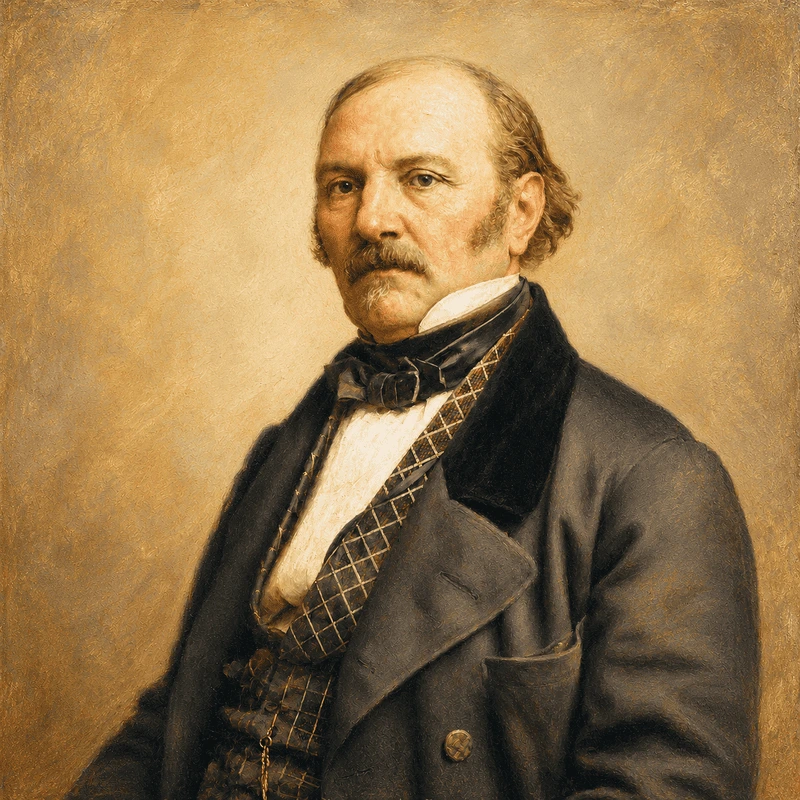
Allan Kardec
The central figure of Spiritism and the codifier of its philosophical and moral framework.
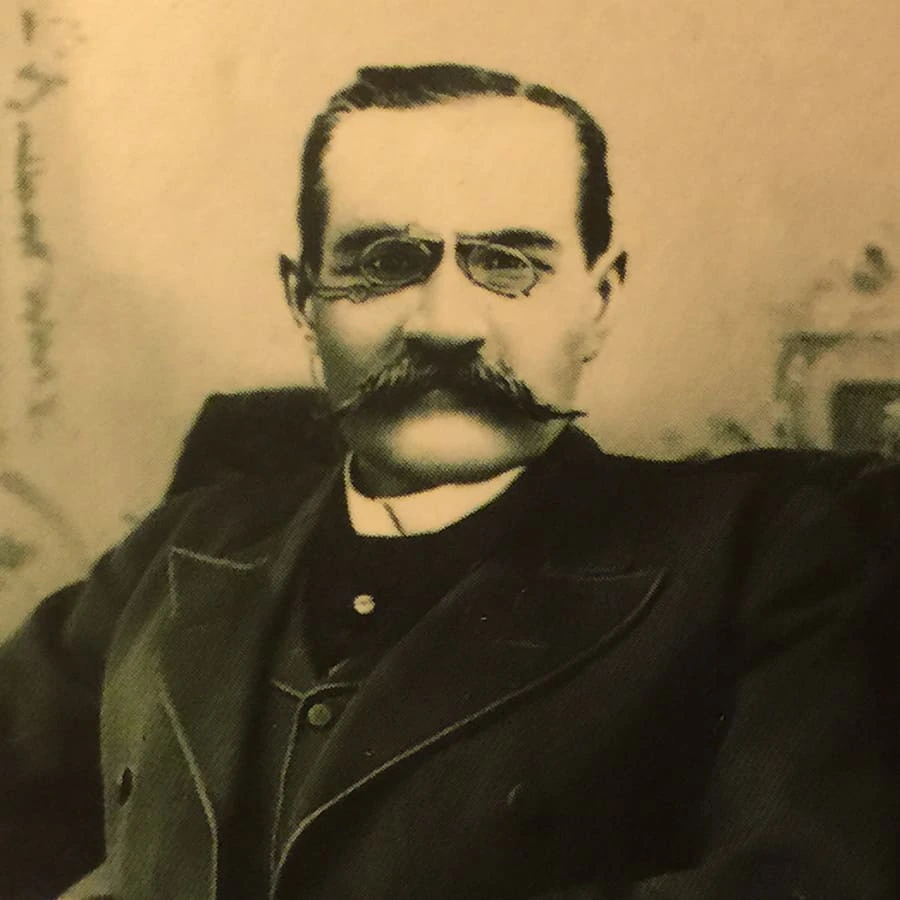
Léon Denis
A major continuator of Spiritist philosophy, focused on immortality, destiny and moral progress.

Chico Xavier
Brazil’s best-known Spiritist medium, remembered for psychography, humility and charity.
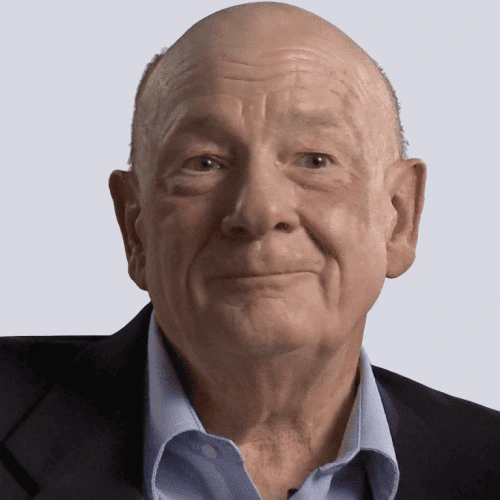
Raymond Moody
A key figure in modern discussion of near-death experiences and consciousness after death.
The language
of Spiritism
Spiritism uses a handful of precise terms to describe the soul, the spirit world and the path of moral progress. These six are a useful introduction.
Perispirit →
The semi-material envelope that unites the spirit with the body and carries its identity after death.
Reincarnation →
The return of the spirit to new bodily lives as a means of learning and moral growth.
Mediumship →
The faculty of perceiving or transmitting the influence of spirits — a responsibility, not a spectacle.
Soul →
The incarnate spirit: the intelligent, conscious principle that survives the death of the body.
Spirit World →
The state of existence of spirits between incarnations, ordered by their moral condition.
Moral Progress →
The gradual improvement of the spirit through effort, love and the choices made in each life.
Perispirit was created from a long personal search into one question — and the answers that Spiritism offers to it.
The site explores Spiritism, life after death, reincarnation, mediumship and moral progress in a calm and responsible way. Its purpose is not entertainment or sensational claims, but careful reflection on what these ideas may mean for how we live now.
Questions that lead further
Beyond the fundamentals: the questions that connect Spiritist teachings with conscience, evidence, the afterlife and the way we live.
Does death make a spirit wiser or morally better?
Not automatically, according to Spiritism. The spirit is understood to retain its individuality, character, attachments and level of understanding after bodily death. A change of condition is not the same as a change of conscience. Growth remains possible, but it requires learning and moral effort.
Why is the perispirit important in Spiritist explanations?
The perispirit is more than another name for the soul. In Kardec’s account, it is the intermediary envelope linking spirit and body, and it is also used to explain certain reported apparitions and manifestations. These are claims within Spiritist doctrine, rather than established scientific explanations.
Why might a spirit remain attached to earthly life?
Spiritist writings describe attachment, grief, confusion, remorse and unfulfilled desires as possible reasons a spirit might remain focused on earthly people or places. Such accounts should not be treated as an explanation for every unusual experience. Ordinary environmental, psychological and other causes deserve careful consideration too.
How should a claimed message from a spirit be assessed?
Kardec warned that a striking message, a famous name or a convincing personal detail is not enough to establish its source. He emphasized reason, consistency, comparison and moral content. It is also important to consider suggestion, error and deliberate deception, especially when someone is grieving or seeking reassurance.
Are unexplained sounds or apparitions proof of the afterlife?
No single report can establish that conclusion on its own. Spiritist literature offers interpretations of some reported phenomena, but an unexplained event is not automatically a spiritual event. Credible examination requires attention to witnesses, circumstances, alternative explanations and the limits of the available evidence.
Does reincarnation lessen our responsibility for this life?
In Spiritism, it does the opposite. The possibility of successive lives does not make present choices unimportant. Each life is understood as an opportunity to develop character, address harm and practise responsibility. Moral progress is not merely the passage of time; it depends on what a person actually does.
Why does moral progress matter more than unusual phenomena?
For Kardec and later thinkers such as Léon Denis, the value of Spiritism lies not only in investigating the invisible world but in how its ideas affect conduct. Compassion, humility, honesty and responsibility matter more than fascination with extraordinary experiences. The deeper question is whether understanding changes the way we live.
Life, death and the meaning of progress
Continue with the articles, explore the glossary or discover the people who shaped Spiritism and the wider study of the afterlife.